
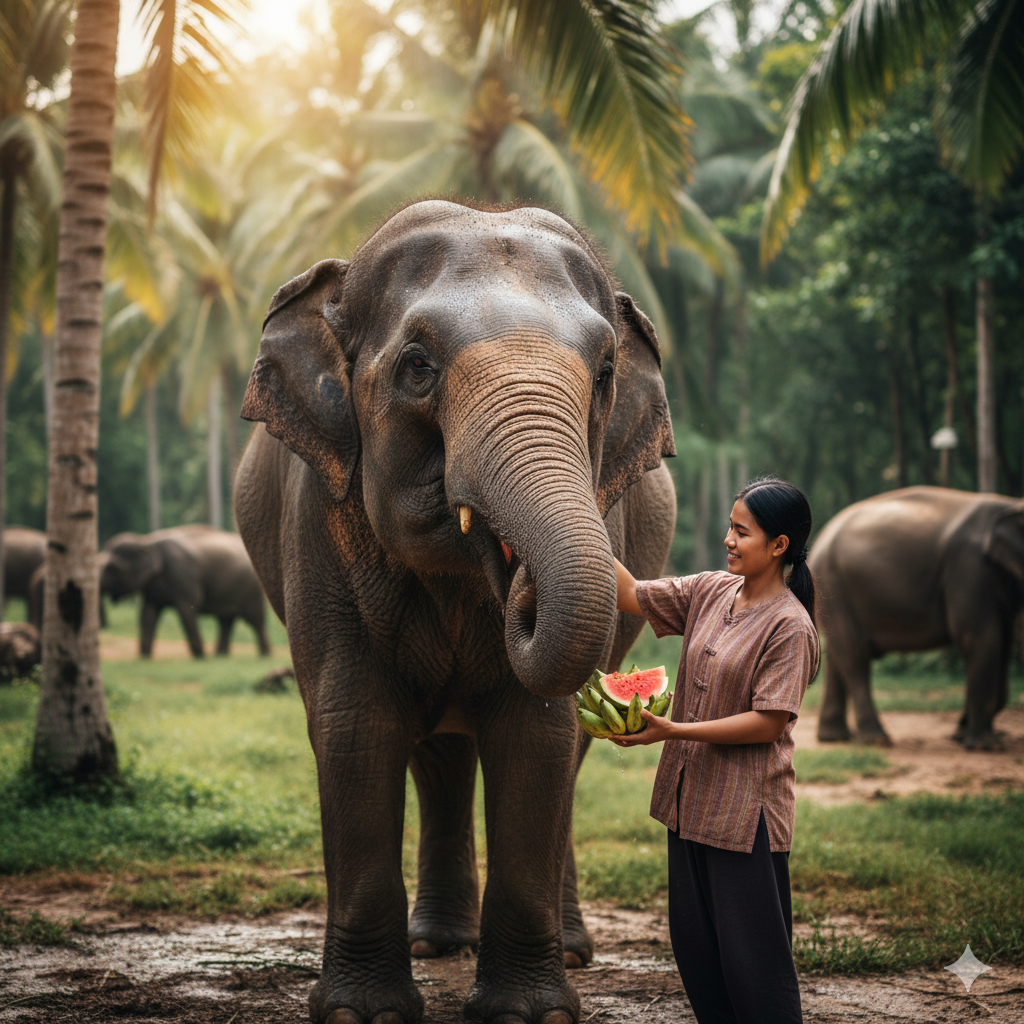
Travel is changing. In 2025, the new “luxury” isn’t just about high-end resorts; it’s about having authentic, meaningful experiences that do no harm. More and more, visitors are actively seeking ethical land tours in Phuket—adventures that are as good for the local community and environment as they are for the soul.
But what does “ethical” really mean in the context of tourism? It means making choices that support animal welfare, respect local culture, and promote environmental sustainability.
If you’re a conscious traveler looking to have fun and do good, this guide is for you. We’ll show you how to find and choose responsible tours, from the famous elephant sanctuaries to jungle adventures.
1. The Big One: Choosing an Ethical Elephant Sanctuary
This is the most common and important ethical decision a tourist will make in Thailand. For decades, elephants were exploited in trekking camps and for street begging. Thankfully, this is changing, and you can be a powerful part of that change.
When searching for an ethical elephant sanctuary Phuket, you must know what to look for. An ethical sanctuary is a “retirement home” for rescued elephants, not a circus.
What an Ethical Sanctuary Looks Like:
- NO RIDING. EVER. This is the #1 rule. An elephant’s spine is not designed to carry human weight, and the “training” process is cruel. A true sanctuary will never offer riding.
- NO HOOKS OR CHAINS. You should not see guides using bullhooks (a sharp metal hook) to control the elephants. While short-term chaining may be needed for health checks, it should never be a permanent fixture.
- OBSERVATION OVER INTERACTION. The best sanctuaries focus on letting elephants just be elephants. You get the privilege of walking with them, observing them, and helping to prepare their food.
- MUD BATHS, NOT PERFORMANCES. Interaction should be on the elephant’s terms. This usually involves “spa” time, where you help them cover their skin in protective mud. They are not forced to perform tricks.
Your choice matters. By giving your money to our hand-picked ethical elephant sanctuaries, you are directly supporting a better future for these magnificent animals.
2. What About “Ethical Adventure” Tours?
How can a Phuket zipline adventure or an ATV tour be “ethical”? In this case, “ethical” extends to two key areas: safety and environmental impact.
Ethical Safety Standards
An ethical operator values the safety of its customers and its staff above all else. This means:
- Rigorous, internationally-recognized safety standards.
- High-quality, modern, and perfectly maintained equipment.
- Professionally trained guides who are paid a fair wage.
A “cheap” zipline might be cutting corners on its safety checks or staff training. Choosing a high-quality operator is an ethical choice for yourself and the people who work there.
Environmental Responsibility
Does the ATV tour carve new, damaging paths through the jungle, or does it stick to established trails on private land? Does the zipline course damage the rainforest canopy? Sustainable tours Phuket are those that are designed to be low-impact, preserving the natural beauty that you came to see.
- Look for our adventure tours with top safety ratings and clear environmental policies.
3. Beyond Animals: Phuket Community Tourism
Being an ethical tourist goes beyond just wildlife. It’s also about supporting the local people. Phuket community tourism is designed to put money directly into the hands of local villagers, not just large corporations.
- Thai Cooking Classes: These are a fantastic example. You often visit a local market to buy produce, learn from a local chef in a small-group setting, and support local food suppliers.
- Eco-Tours: Seek out tours that take you to a local rubber plantation, a pineapple farm, or a small fishing village. These are authentic, educational, and support the island’s traditional economy.
By participating in Phuket cooking classes and community tours, you get a much richer, more authentic insight into Thai culture while knowing your money is supporting local families.
4. Your Quick Checklist for Being an Ethical Tourist
- Vote with Your Wallet: Choose a tour operator (like us!) that is transparent about its ethical policies, is fully licensed, and has a strong reputation.
- Ask Questions: Before booking, ask “Is elephant riding allowed?” or “What are your safety standards?” A good company will be proud to answer.
- Respect Local Culture: This includes dressing modestly when visiting temples (covering shoulders and knees), being patient, and always being polite.
- Leave No Trace: A simple one, but vital. Carry your own reusable water bottle and never, ever litter on a boat or land tour.
Conclusion: Have Fun, Do Good
Finding ethical land tours in Phuket isn’t about sacrificing fun. In fact, it’s the opposite. The experience of connecting with a rescued elephant on its own terms or learning a family recipe from a local chef is infinitely more rewarding than any old-fashioned tourist trap.
By thinking consciously about your choices, you can ensure your 2025 holiday is not only unforgettable for you but also a positive force for the animals, environment, and people of Phuket.